
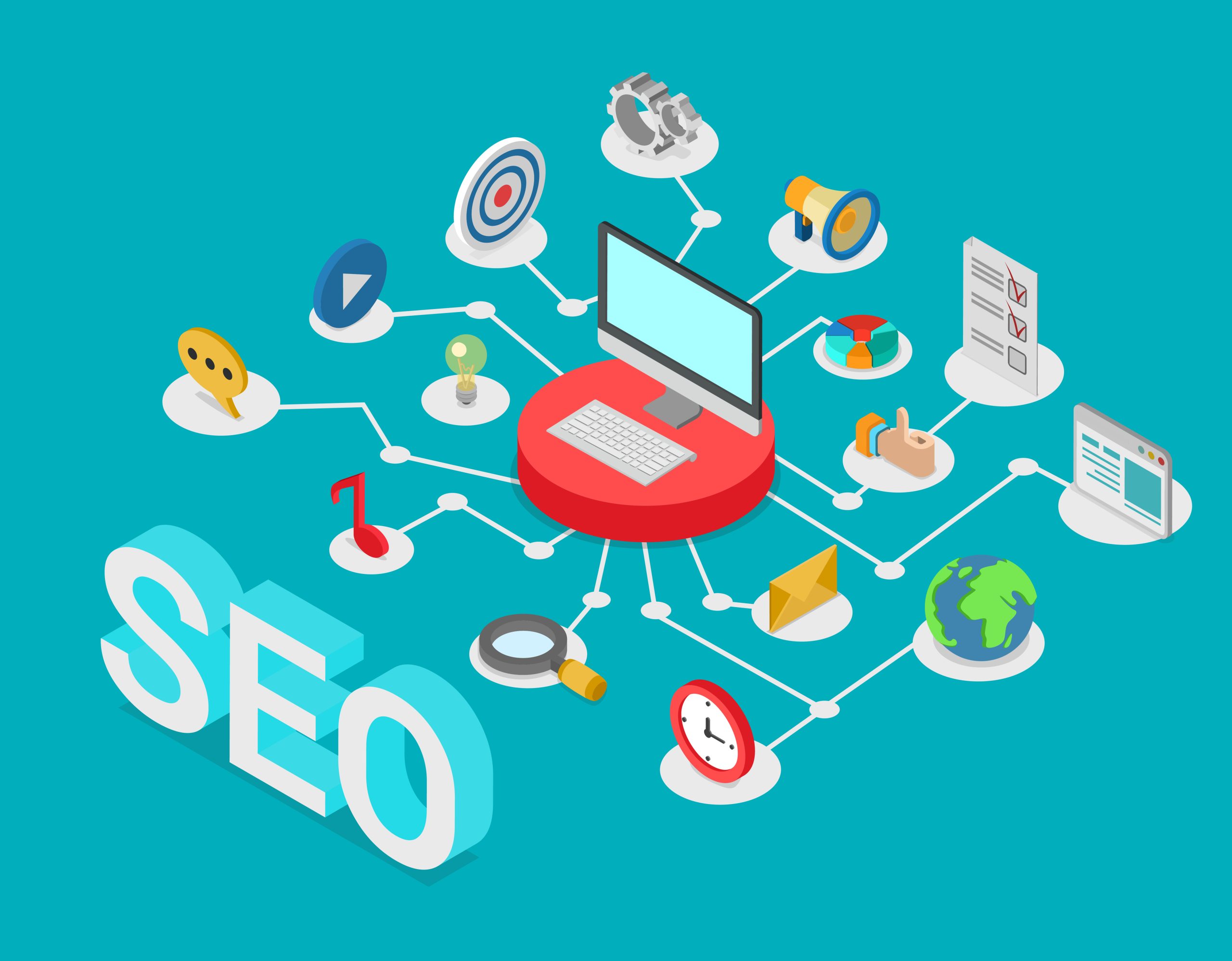
When it comes to getting your website noticed online, on-page SEO services are the foundation of your digital success. Think of on-page SEO as the roadmap that helps search engines understand what your website is about and why it deserves to rank higher than your competitors.
After working with hundreds of businesses over the years, I’ve seen firsthand how proper on-page optimization can transform a struggling website into a traffic-generating machine. The difference between page one and page ten often comes down to how well you’ve optimized the elements you can control directly on your site.
What Are On-Page SEO Services?
On-page SEO services involve optimizing individual web pages to rank higher in search engines and earn more relevant traffic. Unlike off-page SEO, which focuses on external signals like backlinks, on-page SEO deals exclusively with elements you control on your website.
These services include optimizing your content, HTML source code, page structure, internal linking, and user experience signals. Professional on-page SEO services ensure every element works together to send the right signals to Google and other search engines.
Most business owners underestimate the power of on-page optimization. They chase backlinks and social media buzz while ignoring the foundation. But here’s the reality: without solid on-page SEO, even the best off-page efforts will struggle to deliver results.
Why On-Page SEO Services Matter for Your Business
Search engines have become incredibly sophisticated. Google’s algorithms now evaluate hundreds of ranking factors to determine which pages deserve the top spots. On-page optimization directly influences many of these factors.
When you invest in professional on-page SEO services, you’re essentially speaking Google’s language. You’re making it easier for search engines to crawl, understand, and rank your content appropriately.
The business impact is substantial. Better rankings lead to increased organic traffic. More traffic brings more potential customers. And unlike paid advertising, the traffic you earn through on-page SEO doesn’t stop when you stop paying.
I’ve watched local businesses double their website traffic within three months simply by implementing proper on-page optimization. The key is understanding what elements to optimize and how to do it without triggering spam filters.
Essential Elements of On-Page SEO Services
Content Quality and Relevance
Content remains king in the SEO world, but not just any content. Search engines reward comprehensive, well-researched content that genuinely helps users solve their problems.
Your content should target specific keywords while maintaining natural readability. Keyword stuffing died years ago. Today’s successful content balances optimization with user value.
Professional on-page SEO services include content audits to identify gaps, opportunities, and areas for improvement. This means analyzing what’s working, what’s not, and what your competitors are doing better.
Title Tags and Meta Descriptions
These HTML elements might be invisible to website visitors, but they’re crucial for search engines and click-through rates. Your title tag appears as the clickable headline in search results.
Each page needs a unique, compelling title tag that includes your target keyword. Keep it under 60 characters to avoid truncation in search results.
Meta descriptions don’t directly impact rankings, but they significantly influence whether people click your result. Write them like mini-advertisements that accurately describe your page content while enticing clicks.
Header Tag Optimization
Header tags (H1, H2, H3) create content hierarchy and help both users and search engines understand your page structure. Your H1 should contain your primary keyword and clearly state what the page is about.
Use H2 and H3 tags to break content into scannable sections. This improves readability and gives you opportunities to naturally include secondary keywords and related phrases.
Many businesses make the mistake of using multiple H1 tags or skipping header levels. Following proper HTML structure isn’t just good for SEO—it also improves accessibility for users with screen readers.
URL Structure
Clean, descriptive URLs perform better than messy ones filled with numbers and parameters. Your URL should give users and search engines a clear indication of page content.
Include your target keyword in the URL when possible. Keep it short, lowercase, and use hyphens to separate words. Avoid special characters, underscores, and unnecessary words like “and” or “the.”
A good URL structure also makes sharing easier and looks more trustworthy in search results and social media.
Internal Linking Strategy
Internal links connect your pages and distribute ranking power throughout your site. They help search engines discover new content and understand the relationship between different pages.
Strategic internal linking keeps visitors engaged longer by directing them to relevant additional content. This reduces bounce rates and increases the likelihood of conversions.
When implementing internal links, use descriptive anchor text that tells users and search engines what they’ll find on the destination page. Avoid generic phrases like “click here” or “read more.”
Image Optimization
Images enhance user experience, but they need proper optimization to contribute to SEO. This includes file size compression, descriptive file names, and keyword-rich alt text.
Alt text serves two purposes: it helps search engines understand image content and provides accessibility for visually impaired users. Write alt text that accurately describes the image while naturally incorporating relevant keywords.
Don’t overlook image file size. Slow-loading images hurt user experience and rankings. Compress images before uploading them to maintain quality while reducing file size.
Your Complete On-Page SEO Checklist
Implementing on-page SEO services becomes manageable when you follow a systematic checklist. Here’s what every optimized page should include:
Content Optimization:
- Primary keyword in the first 100 words
- Secondary keywords distributed naturally throughout
- Content length appropriate for search intent (typically 1,000+ words)
- Proper formatting with short paragraphs
- Bullet points and numbered lists for readability
- Related keywords and semantic variations
Technical Elements:
- Unique, keyword-rich title tag (50-60 characters)
- Compelling meta description (150-160 characters)
- Descriptive, keyword-friendly URL
- Proper header tag hierarchy (single H1, multiple H2/H3 as needed)
- Schema markup where applicable
- Mobile-responsive design
- Fast page load speed (under 3 seconds)
Engagement Signals:
- Clear call-to-action
- Internal links to related content
- External links to authoritative sources
- Multimedia elements (images, videos)
- Social sharing buttons
- Easy navigation
Image Requirements:
- Compressed file size
- Descriptive file names
- Alt text for every image
- Appropriate image dimensions
- Proper image format (WebP when possible)
Common On-Page SEO Mistakes to Avoid
Even experienced marketers sometimes fall into on-page SEO traps. Here are the mistakes I see most frequently:
Keyword stuffing remains tempting, but it’s counterproductive. Google’s algorithms easily detect unnatural keyword repetition and may penalize your site. Focus on natural language that serves readers first.
Duplicate content confuses search engines about which version to rank. Each page should have unique content that serves a distinct purpose. This includes title tags, meta descriptions, and body content.
Ignoring user intent leads to high bounce rates. Understanding what users actually want when searching for your target keyword is crucial. Match your content to their intent, whether informational, navigational, or transactional.
Neglecting mobile optimization is no longer acceptable. With mobile-first indexing, Google primarily uses your mobile site for ranking. Your pages must work flawlessly on smartphones and tablets.
Slow page speed frustrates users and hurts rankings. If your page takes more than three seconds to load, you’re losing visitors and potential customers. Compress images, minimize code, and consider a content delivery network.
How Professional On-Page SEO Services Work
Professional SEO specialists approach on-page optimization systematically. The process typically begins with a comprehensive site audit to identify current performance levels and opportunities.
This audit examines technical factors, content quality, user experience signals, and competitive positioning. The findings inform a customized optimization strategy tailored to your specific industry and goals.
Implementation follows a prioritized roadmap. Quick wins that deliver immediate impact come first, followed by more complex optimizations that require additional development resources.
Ongoing monitoring ensures optimizations perform as expected. Professional services include regular reporting on ranking improvements, traffic increases, and conversion rate changes.
The best on-page SEO services combine technical expertise with content creation skills. This holistic approach ensures all optimization elements work together harmoniously.
The ROI of Investing in On-Page SEO Services
On-page SEO delivers measurable returns that compound over time. Unlike paid advertising, where traffic stops when spending stops, organic rankings continue generating traffic month after month.
The initial investment varies based on website size and current optimization status. However, even modest budgets can deliver significant improvements when focused strategically.
Most businesses see noticeable improvements within 60 to 90 days. Rankings gradually improve, organic traffic increases, and more qualified leads enter your sales funnel.
The long-term value is substantial. A well-optimized website continues attracting customers for years with only periodic updates to maintain performance as search algorithms evolve.
Consider the lifetime value of customers acquired through organic search. When you calculate the cost per acquisition versus paid channels, on-page SEO often delivers the best return on investment.
Suggested Image Placements
Image 1: Illustration showing on-page SEO elements on a webpage mockup ALT text: On-page SEO services elements including title tags, headers, and content optimization
Image 2: Checklist graphic with key on-page SEO factors ALT text: Complete on-page SEO checklist for website optimization
Image 3: Before-and-after comparison showing search ranking improvements ALT text: On-page SEO services results showing improved search rankings
Image 4: Infographic displaying header tag hierarchy structure ALT text: Proper header tag structure for on-page SEO optimization
Image 5: Screenshot of optimized meta description in search results ALT text: Example of keyword-optimized meta description in Google search results
Frequently Asked Questions About On-Page SEO Services
What’s the difference between on-page and off-page SEO?
On-page SEO involves optimizing elements directly on your website, including content, HTML tags, internal links, and site structure. Off-page SEO refers to external factors like backlinks, social signals, and brand mentions. You have complete control over on-page factors, while off-page factors depend partly on others’ actions.
How long does it take to see results from on-page SEO services?
Most businesses notice improvements within two to three months, though exact timing depends on your industry competitiveness, current website status, and the extent of optimizations needed. Some quick wins like improved click-through rates can happen within weeks, while significant ranking improvements typically require consistent effort over several months.
Do I need on-page SEO services if I already have good content?
Great content is essential, but it needs proper optimization to reach its full potential. Even excellent content can underperform if title tags, headers, internal linking, and technical elements aren’t optimized. Professional on-page SEO services ensure your quality content gets the visibility it deserves in search results.
Can I do on-page SEO myself or should I hire professionals?
Basic on-page SEO is accessible to most website owners willing to learn. However, professional services offer deeper expertise, industry tools, and time savings that often justify the investment. If your business depends heavily on online visibility, professional optimization typically delivers better returns than DIY efforts.
How often should on-page SEO be updated?
On-page optimization isn’t a one-time task. Plan to review and update your optimization quarterly at minimum. Major algorithm updates, competitor changes, or shifts in search trends may require more frequent adjustments. Ongoing monitoring helps maintain and improve your rankings over time.
What’s the cost of professional on-page SEO services?
Pricing varies widely based on website size, competition level, and service scope. Small business websites might spend $500 to $2,000 for initial optimization, while larger sites or ongoing services can range from $1,000 to $5,000 monthly. The investment typically delivers strong returns through increased organic traffic and leads.
Does on-page SEO work for local businesses?
Absolutely. Local businesses benefit tremendously from on-page optimization combined with local SEO elements. Optimizing for location-specific keywords, adding schema markup for local businesses, and creating location-focused content helps you dominate local search results and attract nearby customers.
Take Your Website to the Next Level
On-page SEO services provide the foundation for sustainable online visibility and business growth. When implemented correctly, they transform your website into a powerful customer acquisition tool that works around the clock.
The key takeaways? Focus on comprehensive optimization that balances technical requirements with genuine user value. Avoid shortcuts and black-hat tactics that promise quick results but risk penalties. Instead, invest in quality optimization that builds long-term success.
Remember that search engine algorithms constantly evolve. What works today might need adjustment tomorrow. Staying informed about SEO best practices and algorithm updates keeps your website performing at its peak.
Whether you handle optimization internally or partner with professionals, the important thing is taking action. Every day you delay represents potential customers finding your competitors instead of you.
Ready to see what properly optimized pages can do for your business? Start by conducting a thorough audit of your current on-page elements. Identify the gaps, prioritize improvements, and begin implementing changes systematically. The improved rankings and increased traffic will prove the value of your investment in on-page SEO services.